Brimsdown waste removal options for Ponders End businesses
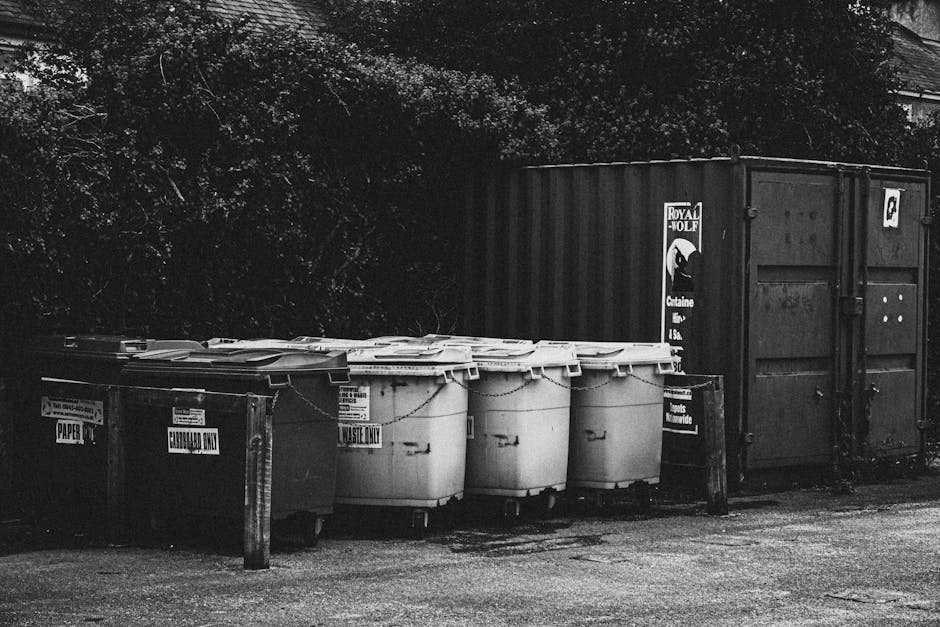
If you run a business in Ponders End, waste has a funny way of becoming urgent at the worst possible moment. One day it is a handful of cardboard and a few broken chairs; the next, you are staring at a back room full of packaging, old office furniture, and materials that really need to go today. That is where Brimsdown waste removal options for Ponders End businesses come in. The right setup keeps your premises tidy, reduces disruption, and helps you stay on the sensible side of UK waste duties without turning the whole thing into a headache.
This guide walks through the main options, how they work in practice, what to watch out for, and how local businesses can choose a service that actually fits the job. Not just the cheapest one. The one that makes sense.
Why Brimsdown waste removal options for Ponders End businesses Matters
Business waste is not just "stuff to get rid of". It can affect operations, safety, customer perception, storage space, and even your staff's day-to-day morale. If waste builds up near loading bays, in corridors, or behind counters, it gets in the way fast. And let's face it, nobody wants to walk past a wobbling stack of broken cartons every morning before the kettle has even boiled.
Ponders End businesses often need a practical local solution because waste can be produced in bursts. A shop refit, a cafe kitchen refresh, an office move, or a trades project can create much more waste than usual. Brimsdown waste removal options for Ponders End businesses are useful because they give you flexible ways to clear material without waiting around for a one-size-fits-all municipal collection model that may not suit business timings.
It also matters for reputation. A clean site suggests control. A cluttered one suggests the opposite. Customers notice, suppliers notice, and staff definitely notice.
For many companies, the real question is not "Do we need waste removal?" It is "What is the easiest, safest, and most cost-aware way to handle it this week?"
How Brimsdown waste removal options for Ponders End businesses Works
Most commercial waste removal services work around a simple process: you identify what needs removing, the provider assesses volume and waste type, and then the waste is collected, sorted, and taken for reuse, recycling, or disposal where appropriate. The detail changes depending on the service style.
Some businesses prefer a man-and-van style clearance for fast, hands-on removal. Others use skip-based solutions when there is a longer project and waste will be generated over several days. A third group combines both, which is often the smartest move. For example, a fit-out project may use a skip for bulky building debris while also arranging a separate clearance for old desks, chairs, and confidential materials.
The practical side is pretty straightforward:
- You assess the waste stream: general waste, mixed bulky waste, office items, wood, metal, appliances, or trade debris.
- You decide whether it needs immediate removal or staged collection.
- You check if anything requires special handling, such as fridges, data-bearing items, or potentially hazardous material.
- You book the most suitable option and agree the collection details.
- The waste is removed and processed in line with normal commercial waste practice.
For businesses in Ponders End, the local advantage is speed. Shorter travel distances often help with tighter scheduling, which can be a relief when you are trying to keep a site open. If you are still comparing services, it is worth reviewing the provider's business waste removal approach alongside broader waste removal services, because the right method usually depends on the mix of waste rather than one category alone.
Key Benefits and Practical Advantages
The best waste removal setup does more than empty a bin area. It supports how the business runs. That sounds obvious, but people often underestimate it until the bin store is full and there is nowhere left to put anything. Then it becomes urgent, awkward, and a bit expensive, too.
- Less downtime: fast collection helps keep work moving, especially during refits, clear-outs, or busy trading periods.
- Better use of space: clearing redundant items frees up storage, back-office space, and access routes.
- Improved presentation: a tidier site creates a better impression for customers and contractors.
- Safer working conditions: fewer trip hazards, fewer blocked corridors, and less manual handling chaos.
- More suitable handling of mixed waste: bulky items, appliances, and project debris can be separated sensibly.
- Potentially better recycling outcomes: if waste is sorted properly, more material can be recovered rather than simply dumped together.
There is also a quiet benefit: peace of mind. When waste is under control, the business feels under control. That is not fluffy at all. It changes how people work.
Expert summary: For most Ponders End businesses, the best waste strategy is rarely the most complicated one. It is the one that matches waste type, collection frequency, and access conditions without creating extra admin.
Who This Is For and When It Makes Sense
Brimsdown waste removal options for Ponders End businesses are relevant to a wider range of organisations than people usually think. This is not just for builders with rubble in the yard. It can suit retailers, landlords, warehouse operators, offices, hospitality venues, and small independent firms with very different needs.
You will probably benefit if you are:
- clearing out a shop, cafe, salon, or takeaway premises
- moving offices or refreshing old furniture and fittings
- dealing with end-of-tenancy business space
- handling renovation or refit waste
- removing bulky fixtures, shelving, or old stock
- sorting accumulated rubbish after months of "we'll deal with it later"
- needing a quick, tidy solution for mixed items that do not fit normal bins
Sometimes the trigger is practical. Other times it is emotional. A business owner walks into a storeroom and finally decides enough is enough. Fair enough, too. A cluttered workspace makes decision-making harder than it needs to be.
If your jobs involve trades or refurbishment, the most relevant route may be a specialist clearance such as builders waste clearance. If you are managing premises with desks, monitors, and archive boxes, a focused office clearance may fit better. And for businesses that are simply overwhelmed by mixed items, a broader clearance can be the calmer option.
Step-by-Step Guidance
If you want a clean decision, work through the process in order. It saves time and avoids the classic "we booked the wrong thing" problem.
- List the waste types. Separate general rubbish, bulky items, electricals, paperwork, packaging, and anything unusual. Don't guess. Look at what is actually there.
- Estimate the volume. Is this a couple of van loads, a roomful, or a project that will produce waste over several days?
- Check access. Think about loading bays, stairs, lift access, narrow alleys, or timed deliveries. Access is often where plans go sideways.
- Flag special items early. Fridges, confidential documents, old furniture, and potentially hazardous items need the right route.
- Match the service to the site. A short, sharp removal may suit a small business. A phased approach might be better for larger premises.
- Review pricing and timings. Ask what affects the quote: labour, volume, item type, waiting time, or access conditions.
- Book and prepare. Move waste into one area where possible, protect walkways, and let staff know collection day.
One small but useful habit: take photos before booking. Nothing fancy. Just a few clear pictures. That can cut out miscommunication and save you from the awkward "oh, it was more than we expected" conversation later.
When in doubt, check a provider's pricing and quotes guidance before you commit. It gives you a better sense of what influences cost and what information helps produce a more accurate estimate.
Expert Tips for Better Results
Here is the part people often skip, but it really helps.
- Separate recyclables where sensible. Cardboard, metal, and clean wood can often be handled more efficiently when kept distinct.
- Keep confidential waste out of general piles. Paper records, customer files, and hard drives should be treated carefully. If paper documents are involved, consider confidential shredding.
- Plan around trading hours. A mid-morning collection may be better than early rush hour if customers come and go constantly.
- Make one person responsible. If three people are giving instructions, collection day gets messy. Fast.
- Label awkward items. If there are appliances, damaged fixtures, or potentially restricted materials, label them clearly for the crew.
- Think about the next 30 days, not just today. If your business generates regular waste, a one-off clearance may solve the symptom, not the pattern.
Truth be told, many waste problems are really layout problems in disguise. If things are always piling up near the same door or in the same corner, the workflow is probably telling you something.
And if you are dealing with appliance-heavy clear-outs, a service such as fridge and appliance removal can be a safer match than asking staff to improvise. Same goes for bulky seating; mattress and sofa disposal is often the cleaner route for hospitality, care-adjacent, or furnished commercial spaces.
Common Mistakes to Avoid
A lot of waste removal issues come down to planning mistakes, not bad luck. Most are avoidable if you slow down for five minutes beforehand.
- Booking by price alone. Cheap can become expensive when access, sorting, or item type is ignored.
- Mixing everything together. It may feel easier in the moment, but it can reduce recycling options and slow down removal.
- Forgetting restricted items. Some materials need special handling. If you are unsure, ask before collection day.
- Leaving waste in the way. You want it grouped neatly, not spread across the site like a bad game of Tetris.
- Ignoring timing pressure. If you need the space back for deliveries, opening hours, or contractors, say so early.
- Not considering safety. Heavy lifting, sharp edges, and slippery loading areas are real risks. A tidy plan is safer for everyone.
There is also a subtle mistake businesses make: they assume all waste categories behave the same way. They don't. Office clearance, builders waste, garden debris, and appliance disposal each come with their own practical quirks.
Tools, Resources and Recommendations
You do not need a huge toolkit to manage commercial waste well. A few simple resources make a big difference.
- Inventory list: a basic spreadsheet or note app helps track what is being removed.
- Photo log: pictures of the waste area help with quoting and coordination.
- Internal contact list: one person for keys, one for access, one for approvals. Keeps things tidy.
- Colour-coded bags or labels: handy when separating mixed materials on a busy site.
- Site access notes: write down where vehicles can stop, where lifts are, and any time restrictions.
For businesses planning a bigger clear-out, it can help to browse related service pages that map onto your actual waste stream. For example, a storage-heavy premises might need garage clearance style support for overflow stock or stored items, while a retail unit may lean more towards furniture disposal when replacing counters, shelving, or displays.
If sustainability matters to your team, look at the provider's recycling and sustainability information. It is a sensible way to understand how recovery and disposal are approached, without making assumptions.
Law, Compliance, Standards, or Best Practice
For UK businesses, waste is not just a logistics issue. There are legal and practical responsibilities around how commercial waste is stored, handled, and transferred. I will keep this plain-English because nobody needs a lecture. The key point is simple: businesses should use appropriate waste carriers, keep waste separated where sensible, and retain basic records where required.
In practice, that means you should be careful about:
- Duty of care: you remain responsible for waste until it is handed over appropriately.
- Correct classification: some items need special care or separate handling.
- Confidentiality: if your waste contains client data, employee records, or sensitive documents, it should be treated properly.
- Health and safety: lifting, stacking, and moving bulky waste should be done with attention to injury risk.
- Insurance and accountability: a reputable provider should be able to explain how safety and responsibility are managed.
If your business regularly handles materials that could cause concern, it is wise to review the provider's hazardous waste disposal information, even if you only need reassurance that your current waste is non-hazardous. Better to ask once than regret it later.
For a more general overview of supplier standards and site safety, the pages on health and safety policy and insurance and safety are worth a look. They help set expectations, especially if your site has limited access or active customers on the premises.
Options, Methods, or Comparison Table
Choosing the right removal method depends on volume, urgency, and the type of waste you have. Here is a simple comparison to help you think it through.
| Option | Best for | Strengths | Watch-outs |
|---|---|---|---|
| Man-and-van clearance | Quick mixed clear-outs, bulky items, one-off jobs | Flexible, fast, labour included | Less ideal for ongoing large volumes |
| Skip-based removal | Projects generating waste over several days | Good for staged disposal, convenient on-site | Needs space and careful loading |
| Specialist item removal | Appliances, sofas, mattresses, confidential waste | Safer handling, better suited to specific items | Not a catch-all solution |
| Full business clearance | Office moves, unit closures, full refurbishments | Comprehensive, coordinated, less stress | Needs planning and accurate brief |
If you want to check what can and cannot go into a skip, the page on what can go in a skip is a useful starting point. It is especially helpful if your team tends to toss things into the nearest container and hope for the best. Human nature, really.
Small note: skip use is not always the most convenient choice for businesses in tight urban spaces. If access is limited or waste needs to be removed from inside the building, a labour-based clearance can save time and frustration.
Case Study or Real-World Example
Picture a small Ponders End design studio with six desks, sample materials, packaging, broken chairs, and a pile of old promotional stock in the back room. They are not moving office, exactly. They are simply trying to reclaim the space after a few years of accumulation. By the time they call for help, the corner near the printer has become a kind of accidental museum of unused things.
In a situation like that, the best route is rarely "just order a skip and hope staff sort it out." A better plan is usually a commercial clearance with a few clear instructions: remove desks, chairs, shelving, cardboard, and redundant items, while setting aside anything confidential or reusable. If there are a couple of broken appliances in the kitchenette, add appliance removal into the plan too.
What tends to work well is a simple morning collection. The team stacks items in one accessible area, labels the things that must stay, and makes sure the access route is clear. By lunchtime, the room feels twice as large. Not glamorous, maybe, but incredibly satisfying.
That kind of result is exactly why local waste planning matters. It is not about the waste itself. It is about getting the business back to normal quickly, without chaos.
Practical Checklist
Before you book any collection, run through this list. It will save you from a good few avoidable problems.
- Have I identified all waste types?
- Do any items need special handling?
- Is access clear for collection?
- Do staff know what is being removed?
- Are any confidential documents or data-bearing devices included?
- Have I checked whether a clearance, skip, or specialist removal is the best fit?
- Do I know the collection timing and site contact?
- Have I grouped the waste in a safe, accessible place?
- Have I reviewed pricing and any likely extras?
- Do I understand the provider's approach to recycling and responsible disposal?
If you are starting from scratch, it can also help to learn more about the company behind the service through its about us information. That often tells you more about working style than a polished sales pitch ever will.
Conclusion
Brimsdown waste removal options for Ponders End businesses are at their best when they are matched to the real shape of the job. A quick office clear-out, a bulky furniture replacement, a refit, or a one-off site clean-up each needs a slightly different approach. Once you stop treating all waste the same, the decision gets much easier.
The big wins are usually simple: keep the site safe, choose the right collection method, be clear about what is being removed, and use a provider whose process feels organised rather than rushed. That combination saves time, reduces stress, and gives your team back the space they actually need.
Get a free quote today and see how much you can save.
If you are still weighing things up, take your time, gather a couple of photos, and choose the option that fits your business rather than forcing your business to fit the option. That little bit of care goes a long way.
Frequently Asked Questions
What are the main Brimsdown waste removal options for Ponders End businesses?
The main options usually include man-and-van clearance, skip-based removal, specialist item removal, and full business clearance. The best choice depends on waste type, access, and how quickly you need the space cleared.
Is business waste removal better than using a skip?
Not always. A skip can be very practical for ongoing project waste, but a labour-based clearance is often better when items are bulky, access is tight, or you want everything removed from inside the building.
Can I mix office furniture and general rubbish in one collection?
Often yes, but it depends on the provider and the waste types involved. Mixing everything together is sometimes fine for a clearance, though separating items can improve recycling and make the job cleaner.
What happens to items that can be recycled?
They are normally sorted for reuse or recycling where possible, depending on the material and condition. Cardboard, metal, wood, and some furniture components may be handled differently from general waste.
How do I know if I need confidential shredding?
If your waste includes client records, employee files, financial papers, or any sensitive documents, confidential shredding is usually the safer choice. It is not worth winging it with paperwork.
Are fridges and appliances treated differently from normal waste?
Yes, they often are. Appliances can require separate handling because of their construction and contents, so it is sensible to use a service designed for appliance removal.
What should I do before a waste collection day?
Group waste in one accessible area, clear pathways, tell staff what is going, and flag any special items in advance. A little preparation makes collection much smoother.
How much space do I need for a skip?
That depends on the skip size and the site layout. You will also want to think about access for delivery and whether the container can sit safely without blocking business operations.
Can waste removal be arranged outside normal business hours?
Sometimes yes, depending on the provider and the site. This can be especially useful for busy shops, offices, or hospitality premises where daytime disruption would be awkward.
What if I have hazardous or unusual waste?
Do not put it into a general waste pile without checking first. Some materials need special handling, and it is better to identify them early than solve the problem on collection day.
Why is local knowledge useful for Ponders End businesses?
Local knowledge helps with timing, access, and the practical realities of urban collections. It can make scheduling easier and reduce the chance of avoidable delays.
Where can I learn more about the company's service standards?
You can review details such as health and safety policy, insurance and safety, and payment and security to get a better sense of how the service is run.
What is the best first step if I am not sure what I need?
Start by listing the items, taking a few photos, and checking whether you are dealing with general waste, bulky items, office furniture, appliances, or something more specific. That usually makes the right option pretty clear.